Self-Reflection: Lipids
Good evening Meowies, sorry that I have not been updating for a while. So what did I learn today? It is about different types of lipid. I also found out an interesting fact about the function of lipids in our daily life. Lipids are biomolecules that are insoluble in water while soluble in organic solvents. Lipids are essential to living organisms which has some important functions. It is oily or waxy. Fats are made from lipid molecules. The functions are lipids containing hydrocarbon side chains serve as energy stores, forms a bilayer and act as intra and intercellular signalling molecules. Example of food rich in lipids is butter, nuts, dark chocolate, eggs and cheese. Lipids are classified into several groups such as fatty acids, triacylglycerols, glycerophospholipids, sphingolipids and isoprenoids.
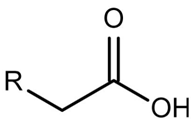
Fatty acids have saturated fatty acids which the chains pack tightly and form organized membranes and unsaturated fatty acids which the chains bend and pack in lack of ordered way. Fatty acids act as oxygen transport throughout the body where providing energy. Example of fatty acids is laurate (saturated) and oleate (unsaturated). Fatty acids serve as energy for the muscles, heart, and other organs as building blocks for cell membranes and as energy storage for the body. Apart from that, Fatty acids have a wide range of commercial applications. For example, they are used not only in the production of numerous food products but also in soaps, detergents, and cosmetics. Soaps are the sodium and potassium salts of fatty acids. Some skin-care products contain fatty acids, which can help maintain healthy skin appearance and function. Fatty acids, particularly omega-3 fatty acids, are also commonly sold as dietary supplements.
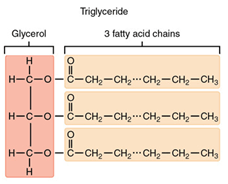
Triacylglycerol is a molecule formed by attaching three fatty acids onto a glycerol compound that serves as a backbone which can vary in length and hydrogen saturation. It is vital for energy establishment and important for regulating temperature. Triacylglycerol can be found in our adipose tissue, where our body stores fats and regulating temperature. It forms when 1 glycerol + 3 fatty acids. Saturated fatty acids contain single bonds only. Fats containing saturated fatty acids are called saturated fats, for instance lard, butter, whole milk, cream, eggs, red meat, chocolate, and solid shortenings. Moreover, triglycerides are a type of fat that plays a major role as an energy source when they are metabolized in the human body. They are very rich in energy, containing double the energy of either carbohydrates or proteins that can also be used to supply energy to the body.
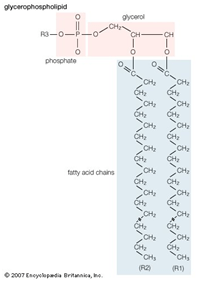
Glycerophospholipids are the most abundant in biological membranes. In glycerophospholipids, fatty acids are linked through ester oxygen to carbons 1 and 2 of glycerol, the backbone of the molecule. Phosphate is ester-linked to carbon 3, while any one of several possible substituents is also linked to the phosphate moiety. Glycerophospholipids are amphipathic—glycerol and phosphate form the polar end of the molecule, while hydrocarbon chains form the nonpolar end. The example is phospholipids which plays a role in maintaining the structure of cell membrane by forming lipid bilayer . It is the main constituents of membrane bilayers. They are found in highest amounts in membrane of all cells and present in small quantities in fat stores. This phospholipid bilayer acts as a barrier to separate the inside and outside cell environment. This prevents organelle from entering and leaving the cells uncontrollably.
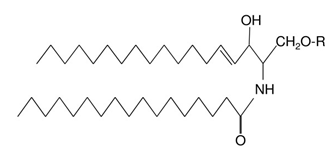
Sphingolipids are a class of lipids that serve as integral components of eukaryotic cell membranes. It also act as signaling molecules in many cellular functions and to play crucial roles in the regulation of pathobiological processes, such as cancer, cardiovascular and neurodegenerative disorders, and inflammation or infectious diseases. There are several different types of sphingolipid characterized by different structural and chemical elements that are attached to the sphingoid backbone. Ceramides, which consist of sphingosine and fatty acid, are the simplest class of sphingolipidSphingolipids protect the cell surface against the harmfull environment by forming a chemically resistant outer surface of the plasma membrane. Sphingomyelins are the only phosphorous-containing sphingolipids, found in the blood as well as in nervous tissue. Sphingomyelins play important parts in many signalling pathways and metabolism of these biological molecules creates many important products for cell function.
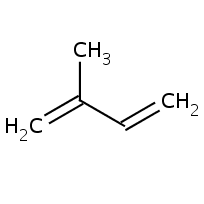
Isoprenoid, any of a class of organic compounds composed of two or more units of hydrocarbons, with each unit consisting of five carbon atoms arranged in a specific pattern. Isoprenoids contain from two to many thousands of isoprene units. Isoprenoids in living organisms range in function from pigments and fragrances to vitamins and precursors of sex hormones. It can be classified as steroids, vitamins and terpenes. Isoprenoids play widely varying roles in the physiological processes of plants and animals. They also have a number of commercial uses. Steroids help control metabolism, immune system and also involved in the reproductive system. Vitamins help to heal wounds and convert food into energy. Terpenes res found in plants which protect the plants from insects and herbivores animals. Terpenes in plants also attract pollinators. Examples are limonene (apples) and linalool (lavender). In a nutshell, lipids are an important source of energy in order to maintain specific processes in our body and to gain energy to continue our daily routine.
 Azra Kamelia